
Normal, abnormal & hypernormal
The real question isn’t how to return to normal, but whether we’re ready to let it go.

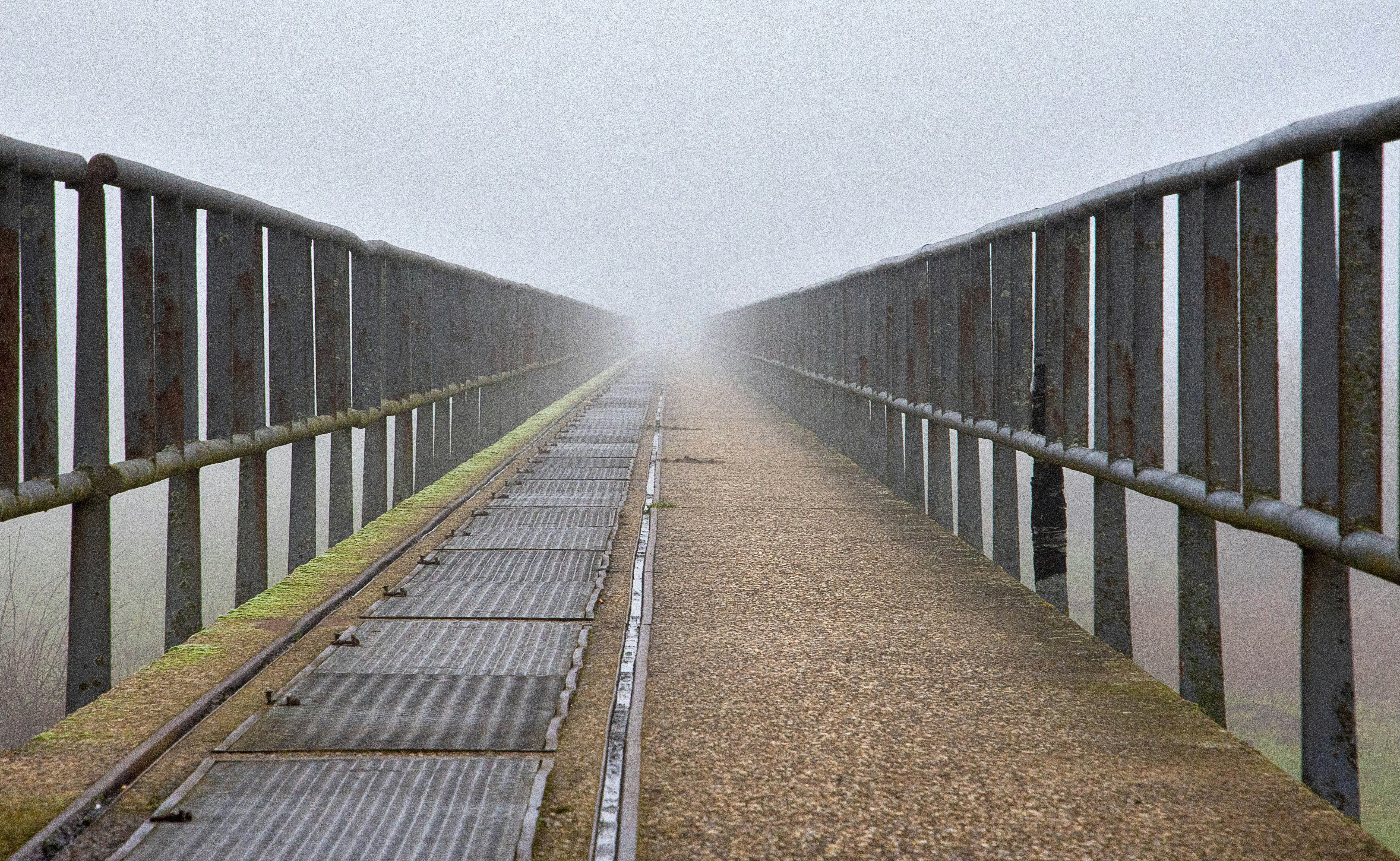
There has been a lot of talk about ‘getting back to normal’. The dominant narrative assumes we should return to how things were before COVID-19 and before the flow of oil got pinched in the Straight of Hormuz. Politicians, economists, and public institutions rarely question this goal. But what, exactly, is this ‘normal’ they want to restore?
In our culture, poverty is normal. Violent conflict is normal. Women being paid less than men is normal. White advantage is normal. Anxiety is normal. Inequality is normal. Most of all, living beyond the Earth’s capacity to provide resources and absorb pollution is normal. Ecocide is normal.
This is the normal we are hoping to return to.
The idea of abnormality becoming accepted as normal was brilliantly explored in Adam Curtis’s film, ‘Hypernormalisation’. This documentary explores how social abnormality gradually becomes accepted as ordinary. Like the metaphor of a frog in slowly heated water, change happens incrementally, until it is no longer noticed. And the frog dies. Curtis traced this process through late Soviet and post-Soviet culture, where increasingly surreal social phenomena were absorbed into everyday life without resistance. And then Putin.
That dynamic is visible now. We inhabit a hypernormal reality shaped by misinformation, ultra-consumerism, celebrity aspiration, technological fantasy, political distortion, and Donald Trump (perhaps the best example of hypernormalisation ever). These forces erode the conditions that sustain life, yet they pass as ordinary, as normal.
What we are really seeking when we long to return to normal is a sense of security.
For many, the last time life felt stable was before COVID-19. That period now appears, in hindsight, as a kind of golden age. Yet this is nostalgia in its truest sense: a longing for a past that never actually existed. The stability we remember was always fragile, propped up by failing systems already in overshoot.
Today, as uncertainty deepens - through ecological breakdown, geopolitical instability, pollution, peak complexity, and resource constraints - the desire to return to that imagined stability intensifies. Governments promise a restoration of normality. But the conditions that defined that previous normality are precisely those that created our current, dizzying instability.
So we are left with a choice. We can cling to a nostalgic version of normal, mistaking familiarity for safety. Or we can recognise that what felt secure never truly was, and begin to respond to reality as it actually is.
The question is not how to return to normal, but whether we are willing to let go of it.
=
I had a dream where I was standing with a group of people on the edge of a fathomless gorge. We were surrounded by fog and had to find a way across because we were being chased by something invisible and lethal, lurking in the mist behind us. The only way to do this was to start building a bridge, hoping to find the other side of the chasm.
Our tenuous bridge edged out further and further into the mist; all the time, the other side of the canyon remained obscured.
I woke up at the point where we were halfway, the structure feeling fragile and unsafe but holding out nonetheless, just as a conversation had started. Should we not just go back to the familiar ground behind us, even though we knew in our hearts it would be fatal? Or should we continue building our flimsy bridge out into the fog - despite our fear and trepidation - searching for the real security of new ground?
=
We must choose between fear and courage. Do we fearfully rush back to an apparently safe - yet hypernormal and ultimately fatal - past, or do we muster the courage to continue building the bridge?
After all, some have already seen glimpses of something brightly beautiful through the mist.
Beautiful writing
May your dream bridge support your crossing